


Aquaponic systems are popular as sustainable food production methods, however it also experiences challenges in terms of monitoring the nutrient levels, specifically nitrate sufficiency. In this study a new method is proposed to monitor the nitrate sufficiency in aquaponic systems using leaf color recognition. To do this, a state-of-the-art deep learning algorithm is utilized, the...
Tag: 6
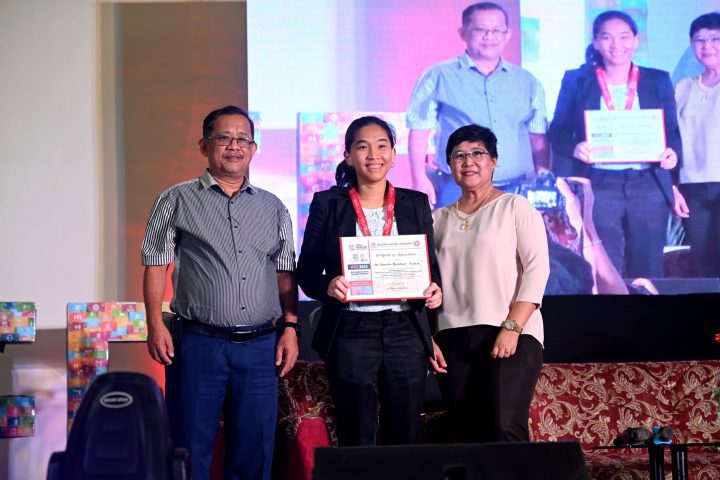
SDG forum and exhibit on WED 2023
Centered on the theme “Leadership in Collaborative Innovations for a Stronger Nation” Supreme Student Council (SSC) Alangilan, the Office of Student Organizations, the Center for Innovations in Engineering Education (CIEE), and the College of Engineering organized the Sustainable Development Forum on the second day of celebrating the World Engineering Day 2023. The forum shed light...
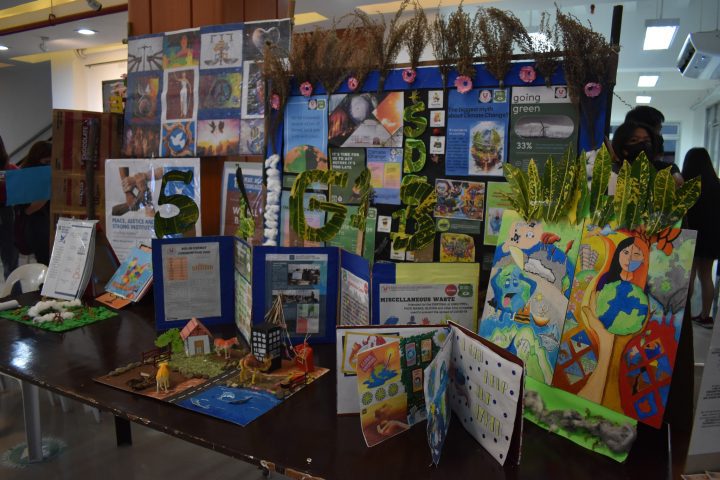
DevCom, CSD collab for SDG exhibit
BS Development Communication students in collaboration with the Center for Sustainable Development staged a one-day exhibit that highlighted the University’s sustainable initiatives in the achievement of the 17 UN SDGs. DevCom students featured various sustainability efforts through a wide array of IEC materials such as pamphlets, brochures, dioramas, charts, and diagrams as well as videos...
Mechanically and Thermally Enhanced 3D-Printed Photocurable Polymer Nanocomposites Containing Functionalized Chitin Nanowhiskers by Stereolithography
Additive manufacturing, or simply 3D printing (3DP), where objects are built through layer-wise material deposition, has gained significant academic and industrial attention as a result of the development of advanced and functional materials requiring rapid, customized, and flexible solutions. In the context of green manufacturing, diversifying environmentally and economically sustainable material portfolios is an essential...
Modelling the Toughness of Nanostructured Polyhedral Oligomeric Silsesquioxane Composites Fabricated by Stereolithography 3D Printing: A Response Surface Methodology and Artificial Neural Network Approach
In this study, stereolithography (SLA) 3D printing was used to prepare toughened composites by facile blending of chemically compatible nanoscale polyhedral oligomeric silsesquioxanes (POSS) to commercial photoreactive resin. Due to the complex nature of 3D printing, the mechanical performance of the final parts cannot be simply determined or even estimated until they are manufactured and...
On the use of metal-organic framework-based adsorbent from recycled PET bottles for Eriochrome Black T removal
In this study, a metal–organic framework (MOF) adsorbent from recycled polyethylene terephthalate (PET) bottles was developed to effectively remove Eriochrome Black T (EBT) dye present in synthetic wastewater. A sustainable, “greener” route of MOF synthesis was adopted involving microwave-enabled depolymerization of PET to terephthalic acid (TPA) and conversion of the latter to its organic salt...
Synthesis of Hybrid Carbon Quantum Dots from Tamarindus indica and Mangifera indica Leaves for the detection of Mercury (Hg2+) Ion in Purified Water and Simulated Seawater
Mercury (Hg2+) ion is considered as one of the most lethal heavy-metal contaminants accounting for its extreme persistence, bioaccumulation, and toxicity. The objective of this study is to synthesize hybrid carbon quantum dots (h-CQDs) for the detection of Hg2+ ion in purified water and simulated seawater using ratiometric fluorescence assay between blue carbon quantum dots(b-CQDs)...
Nanotechnology for Clean and Safe Water: A Review
The demand for clean and safe water together with increasingly strict environmental regulations in both developed and developing countries has necessitated the need for a highly efficient yet low-cost water treatment technology to prevent the negative effects of pollutants on the human health and the environment. Nanotechnology holds great potential as a novel and promising...