

Effective data collection serves as the foundation of the Center for Sustainable Development’s (CSD) efficient sustainability reporting. By systematically gathering information on constituent campuses’ sustainability initiatives, the CSD gains a clear understanding of current practices, successes, and areas requiring improvement. Accurate and timely data empower university administrators, faculty, and students to make informed decisions that drive tangible progress—whether in reducing energy consumption, minimizing waste, or implementing innovative green programs.
Since March 2025, the CSD has been closely coordinating with SDO Lipa Campus, College of Informatics and Computing Sciences, and ICT Central to refine and finalize these systems based on collaborative feedback. With the completion of these improvements, the systems were deemed ready for deployment, necessitating a comprehensive training workshop to ensure that SDO personnel could effectively utilize them.
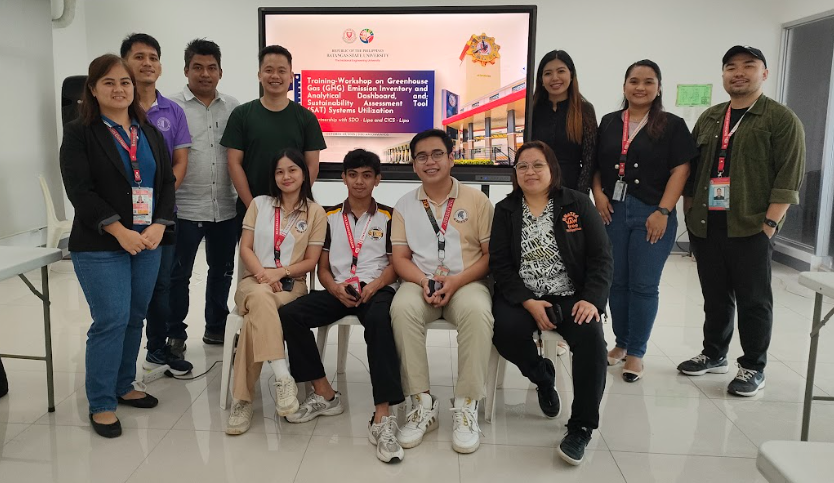
To this end, the Center for Sustainable Development (CSD) conducted a Training-Workshop on Greenhouse Gas (GHG) Emission Inventory and Analytical Dashboard, and Sustainability Assessment Tool (SAT) Systems Utilization on October 3, 2025, from 8:00 AM to 4:00 PM at the Gymnasium, 5th Floor, Jose Rizal Building, Batangas State University Pablo Borbon Campus.
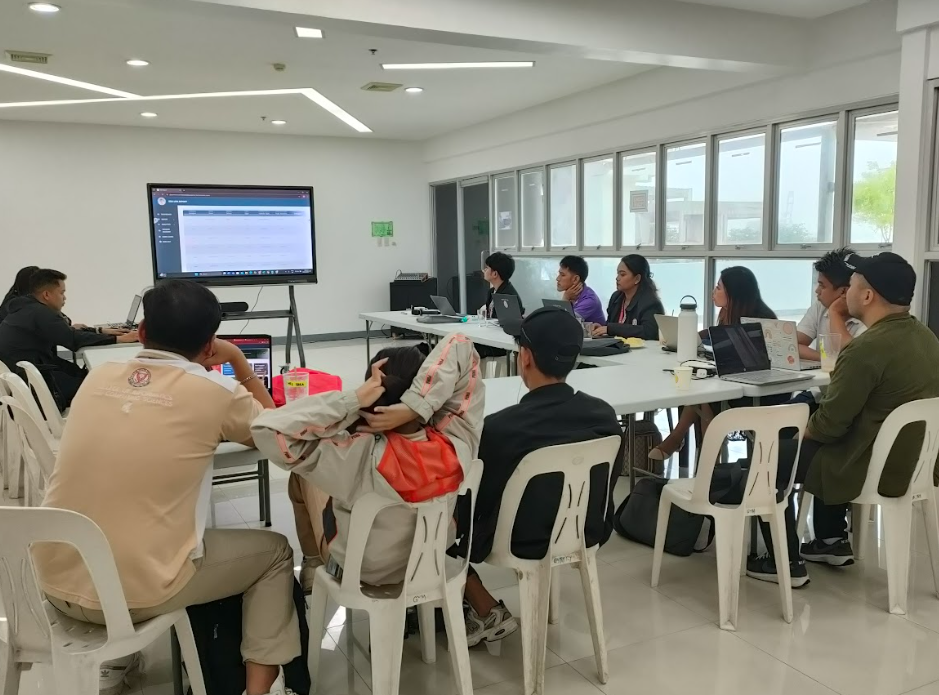
The activity aimed to orient Sustainable Development Officers (SDOs) on the use of the two systems and provide a platform for benchmarking and knowledge-sharing among constituent and extension campuses. A total of 28 participants attended the workshop, composed of system developers, SDO heads and staff, coordinators, and CSD personnel.
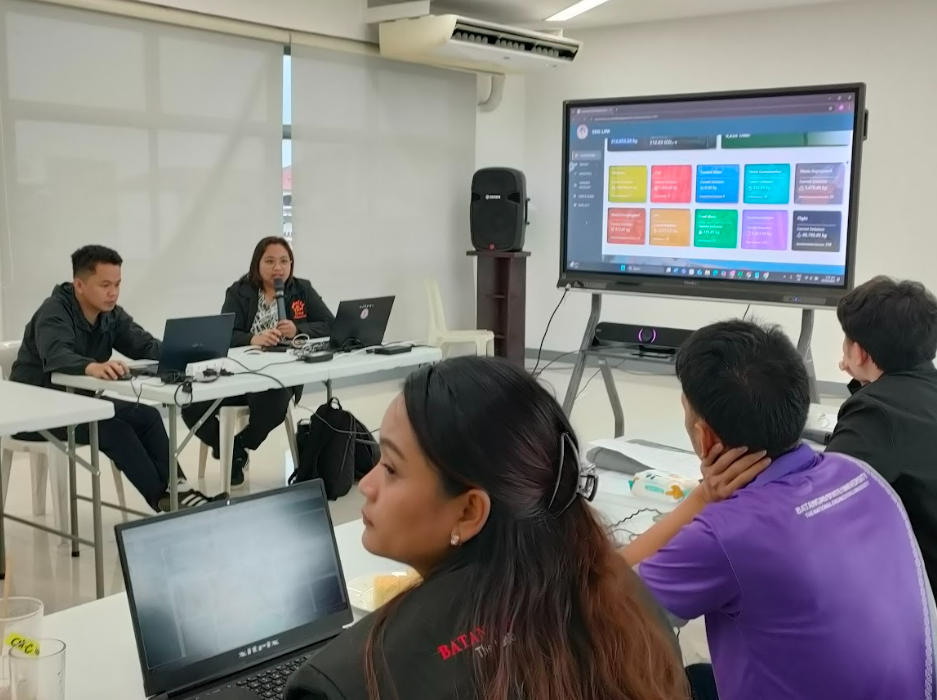
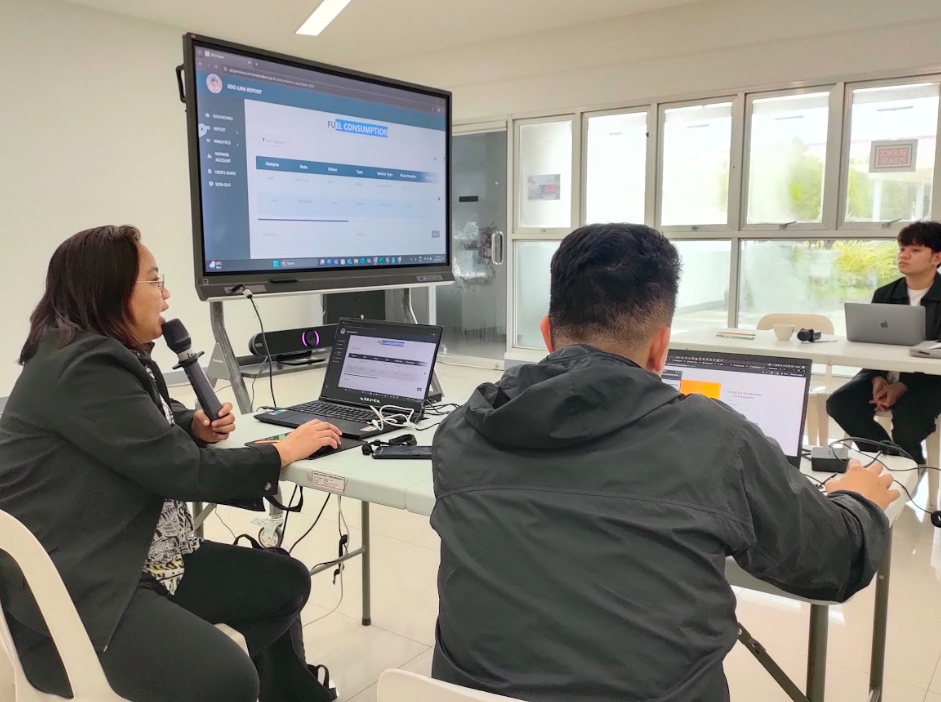
During the morning session, students from BatStateU Lipa Campus, Mr. Ric Vincent T. Villanueva, Mr. Bon Andrei L. Atienza, and Ms. Nikka Mae D. Caldito, presented the Sustainability Assessment Tool (SAT). They provided an overview of its purpose and functions and conducted a hands-on, step-by-step demonstration to guide participants in navigating and maximizing the system’s features. The Sustainability Assessment Tool (SAT) assists campus SDOs in documenting their sustainability initiatives. Each initiative is assigned corresponding points, allowing measurable assessment of each campus’ contributions to the 17 Sustainable Development Goals (SDGs).
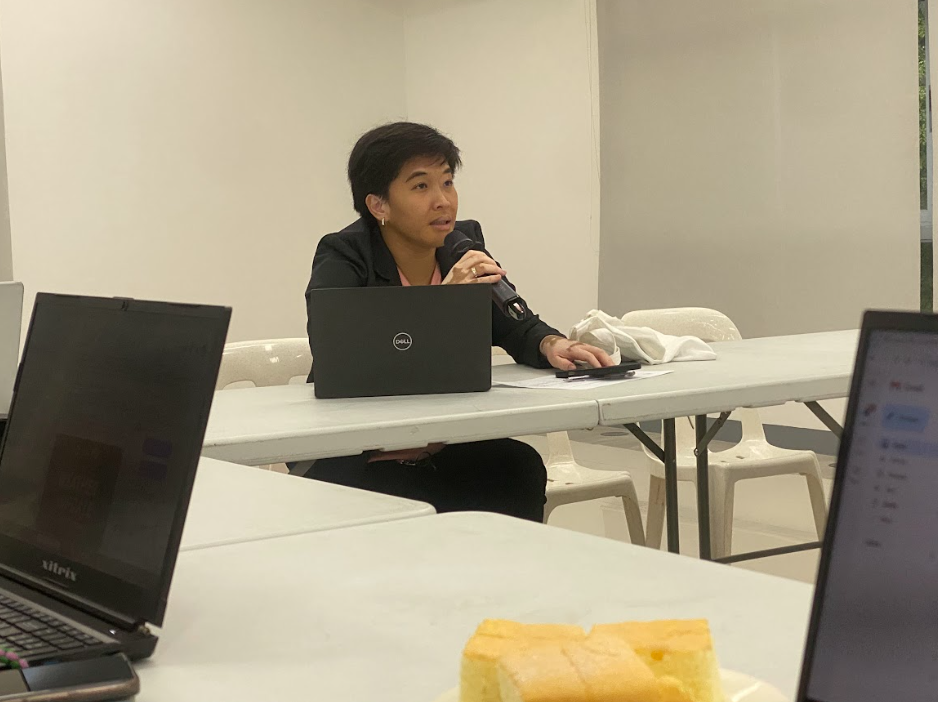
In the afternoon session, Ms. Richelle M. Sulit facilitated a discussion on the Greenhouse Gas (GHG) Emission Inventory System on behalf of her students who developed the system. Her presentation detailed the framework, data requirements, and computation processes in preparing a university-level GHG inventory, as well as the use of the Analytical Dashboard for generating reports and monitoring emissions. The GHG Emission Inventory and Analytical Dashboard system allows key offices across all eleven (11) campuses to input data on resource generation and consumption, providing essential information on the university’s carbon footprint. This enables the identification of primary emission sources and guides evidence-based actions for emission reduction.
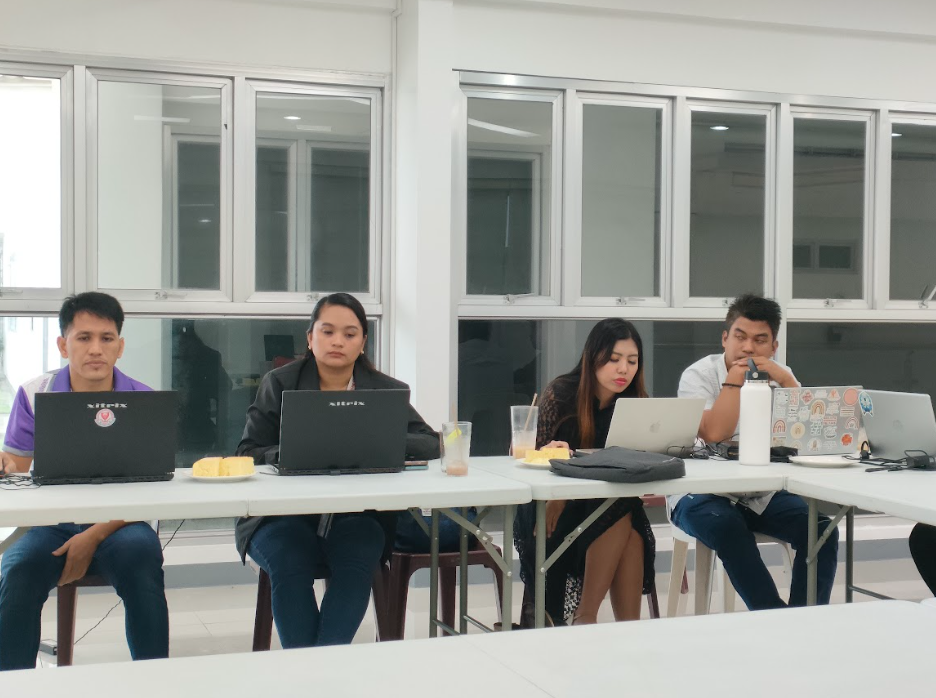
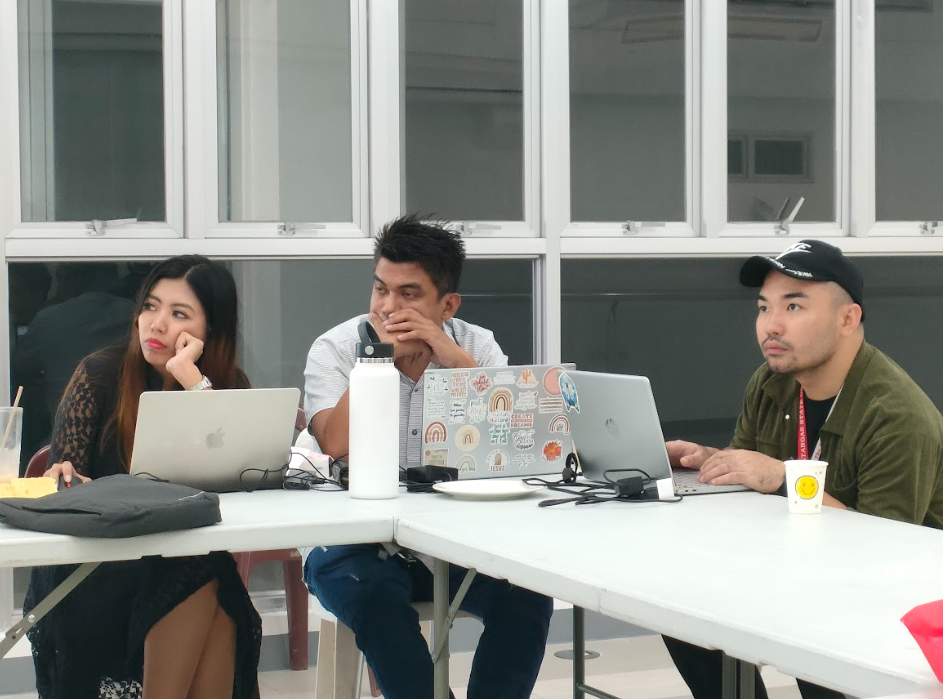
Overall, the training-workshop proved to be a collaborative and capacity-building initiative that strengthened participants’ understanding of sustainability data management. It also reinforced the University’s commitment to institutionalizing digital solutions that enhance efficiency, transparency, and accountability in sustainability reporting. Through this activity, the CSD continues to advance its mission of empowering campuses to transform sustainability goals into actionable and measurable outcomes, contributing to the University’s overarching vision of being a model for sustainable innovation and development.